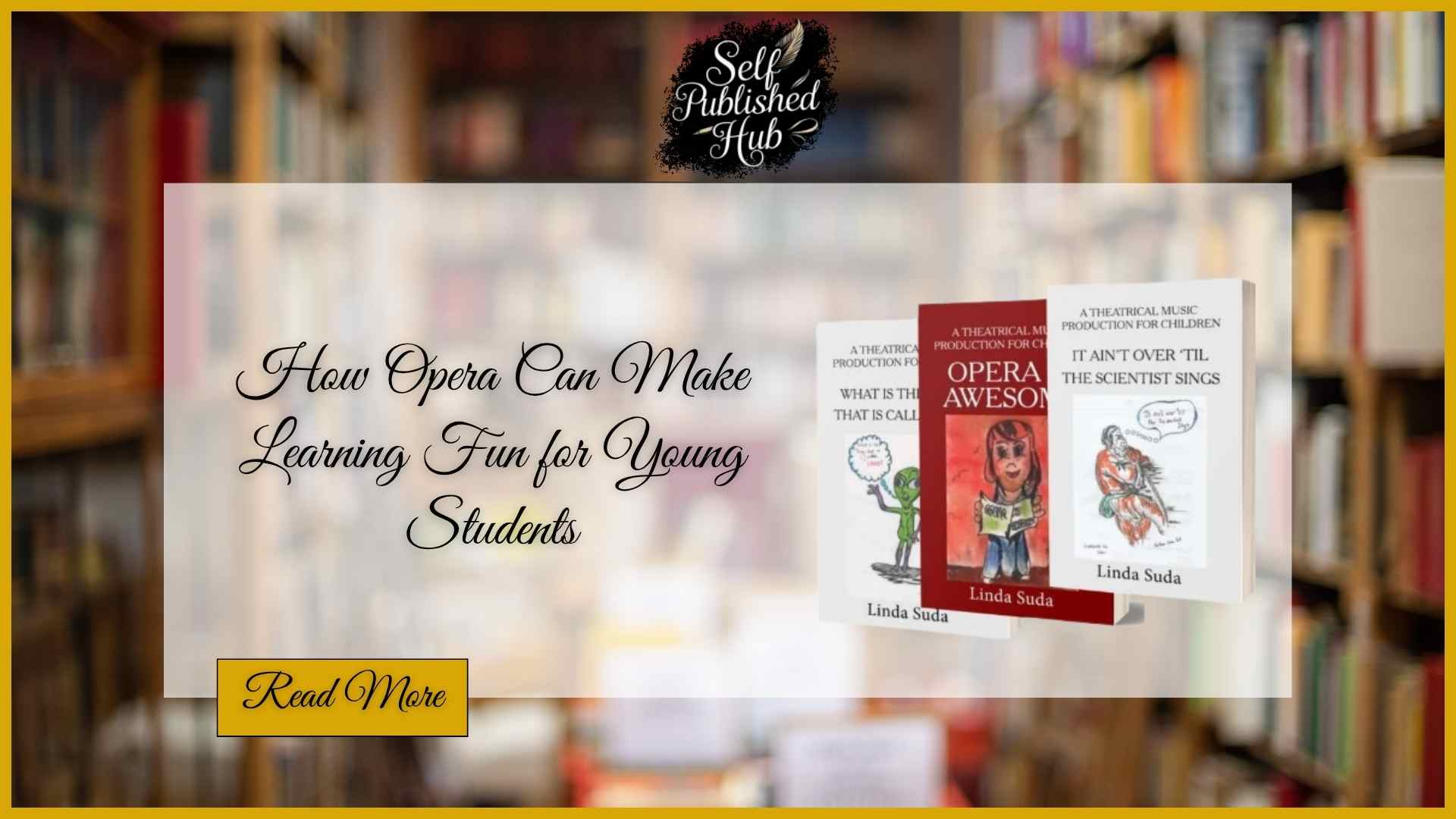
Many children can name famous scientists, but remembering what they actually did is another matter. Dates, discoveries, and definitions often fade quickly when they are taught only through textbooks. It Ain’t Over Til the Scientist Sings by Linda Suda takes a different path. By turning well-known scientists into stage characters who sing, speak, and interact, the book helps children remember them in a deeper and more lasting way.
Characters Create Emotional Connection
One reason children remember characters longer than facts is emotional connection. In It Ain’t Over Til the Scientist Sings, scientists are not distant historical figures. They are personalities with voices, stories, and purpose. When children see these figures come alive through music and dialogue, they begin to care about them. Emotion helps memory. A song or scene tied to a character makes information feel personal rather than abstract.
Stories Give Meaning to Discovery
Scientific achievements can feel confusing when they are separated from the people behind them. This book places discoveries within a story, showing how curiosity and creativity shaped each scientist’s work. Children learn that progress did not happen by accident. It happened because people asked questions, made mistakes, and kept trying. Storytelling gives meaning to scientific ideas and helps children understand why these discoveries mattered.
Music Helps Information Stick
Music plays an important role in memory. Rhythm and melody support recall in ways that spoken facts often cannot. In It Ain’t Over Til the Scientist Sings, music reinforces key ideas without feeling repetitive. When children sing about scientists and their work, they repeat information naturally. This repetition builds familiarity and confidence, making it easier to remember names, roles, and contributions.
Theatre Encourages Active Learning
Theatre invites children to participate rather than observe. When students perform as scientists, they step into the role themselves. Speaking lines, moving on stage, and singing songs help them process information physically and mentally. This active involvement strengthens learning. Children remember what they experience far longer than what they only hear.
Role Models Feel More Real
Another strength of It Ain’t Over Til the Scientist Sings by Linda Suda is how it presents scientists as real people. The characters show that creativity and imagination were part of scientific discovery. It helps children see science as something human and achievable. When scientists are shown as characters with ideas and emotions, students are more likely to relate to them and see themselves in similar roles.
Learning Across Subjects
By blending science with music and theatre, the book supports whole learning. Children are not limited to one way of understanding. They listen, sing, move, and reflect. This layered approach reaches different learning styles and keeps attention focused. It also helps students connect science with the arts, reinforcing the idea that learning does not happen in isolated subjects.
A Lasting Way to Learn Science
Turning famous scientists into characters helps children remember them longer because it connects knowledge with experience. It Ain’t Over Til the Scientist Sings shows that learning science can be engaging, meaningful, and memorable.
For educators, parents, and schools looking for a creative way to teach history and STEAM concepts, this book is well worth reading and exploring with young learners.
Amazon Book Link : https://www.amazon.com/dp/B0GLTZBYQP/