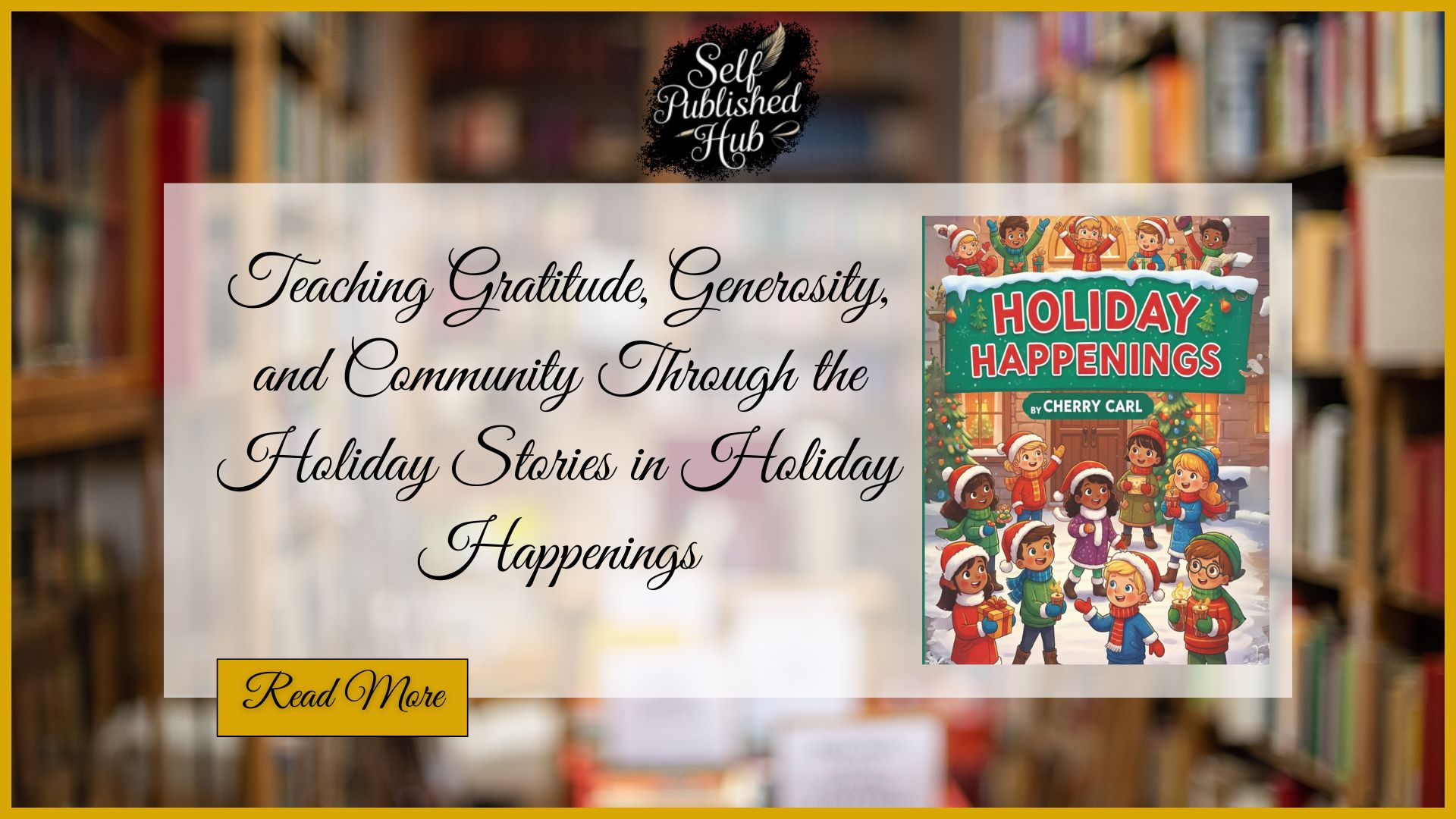
The holiday season provides a wonderful opportunity to introduce meaningful values to children. Be it gratitude, generosity, or community, these aspects of life are at the heart of every holiday tradition, and children learn these principles best when they see them modeled in stories and experiences. Holiday Happenings is an ideal resource for teaching these values because each story highlights the true spirit of the season in ways children can understand and relate to.
Gratitude begins with awareness. Children learn to appreciate what they have when they see characters in the stories expressing thankfulness for simple joys. In Holiday Happenings, holiday scenes often involve families gathering, neighbors helping each other, or children discovering happiness in small gestures. Reading these stories aloud helps children see familiar moments in a new light. They begin to recognize the gifts in their own lives, whether it is a warm home, caring adults, or time spent together.
Writing activities in the book also support gratitude. After reading a story, children can write thank-you notes, create gratitude lists, or draw pictures of people they appreciate. These small actions help children express what they feel. Over time, gratitude becomes part of their everyday mindset rather than something limited to the holiday season.
Generosity is another value woven into the stories. Many tales in Holiday Happenings highlight acts of giving, whether characters share food, offer help, or show kindness to someone in need. These examples help children understand that generosity comes in many forms. It does not always require buying gifts. Sometimes it means giving time, sharing laughter, or offering support. When children see these actions represented in stories, they begin to practice them in real life.
The book also includes writing prompts that encourage generosity. Students might write about a time they helped someone or brainstorm simple acts of kindness they can share. These writing tasks deepen understanding and help children practice empathy. Teachers and parents can follow up by encouraging small acts of giving at school or at home.
Community is the third pillar emphasized in the book. Holidays often bring people together, and Holiday Happenings reflects this through its stories of neighbors, classmates, and families supporting one another. Children learn that a community is not just a group of people living near each other. It is a network of relationships built on kindness, cooperation, and shared experiences.
Classroom discussions after reading help children think about their own communities. Who helps them at school? Who helps them at home? How can they contribute to a positive environment? These conversations help children recognize their role in creating a caring community.
The stories create opportunities for classroom projects as well. Students can make holiday cards for neighbors, write letters to service workers, or collect donations for local charities. These hands-on experiences bring the book’s lessons to life and help children feel the joy of contributing to others.
Teaching gratitude, generosity, and community during the holiday season builds lifelong habits that shape strong character. Through its heartwarming stories and thoughtful activities, Holiday Happenings becomes a guide for meaningful and joyful learning.
If you want to help children understand the true spirit of the holiday season, you may enjoy reading Holiday Happenings, a book full of stories that inspire kindness and connection.
Head to Amazon to purchase your copy: https://www.amazon.com/dp/1969368535.