Did you know that, according to the World Economic Forum, more than 75% of companies intend to implement AI-powered workforce tools by 2027?
Artificial intelligence is no longer a future concept. It now influences how workers are scheduled, evaluated, monitored, and even disciplined. Whether it is about predictive maintenance systems or automated performance scoring, AI is embedded in daily operations across industries. However, most occupational risk management frameworks were never intended to account for algorithmic decision making. This gap is precisely why ArtificIonomics has emerged as a required discipline.
What is ArtificIonomics?
ArtificIonomics is the application of industrial hygiene and occupational safety principles to artificial intelligence systems. Just as industrial hygiene evaluates chemical, physical, and ergonomic hazards, ArtificIonomics evaluates algorithmic exposure. It treats AI not as neutral software but as a system that shapes workload, behavior, stress, and risk.
Why Traditional Safety Models Are No Longer Enough
Traditional occupational risk management concentrates on visible hazards like machinery, noise, heat, and chemicals. AI introduces hazards that are less visible but no less serious. These include cognitive overload, constant digital surveillance, automated decision-making errors, and psychosocial stress.
One of the defining ideas of ArtificIonomics is that AI can be both a hazard and a safeguard. Predictive analytics can identify unsafe conditions early. Computer vision can reduce exposure to high risk environments. Wearables can prevent heat illness and fatigue related incidents.
However, without governance, these same systems can increase stress, reduce autonomy, and introduce bias. ArtificIonomics provides the structure needed to balance opportunity and risk using the same hierarchy of controls applied to traditional hazards.
Why AI Belongs in Occupational Risk Management Now
AI already influences core safety outcomes. Scheduling algorithms affect fatigue. Performance monitoring affects mental health. Autonomous systems affect physical exposure. Ignoring these impacts does not make them disappear.
The National Institute of Standards and Technology emphasizes that AI risks must be identified, assessed, and managed across their lifecycle. ArtificIonomics, in this regard, transforms this guidance for workplaces by embedding AI oversight into existing safety management systems.
Occupational risk management has always evolved in tandem with technology, and the introduction of electricity, chemicals, and automation necessitated the development of new safety disciplines. AI isn’t any different.
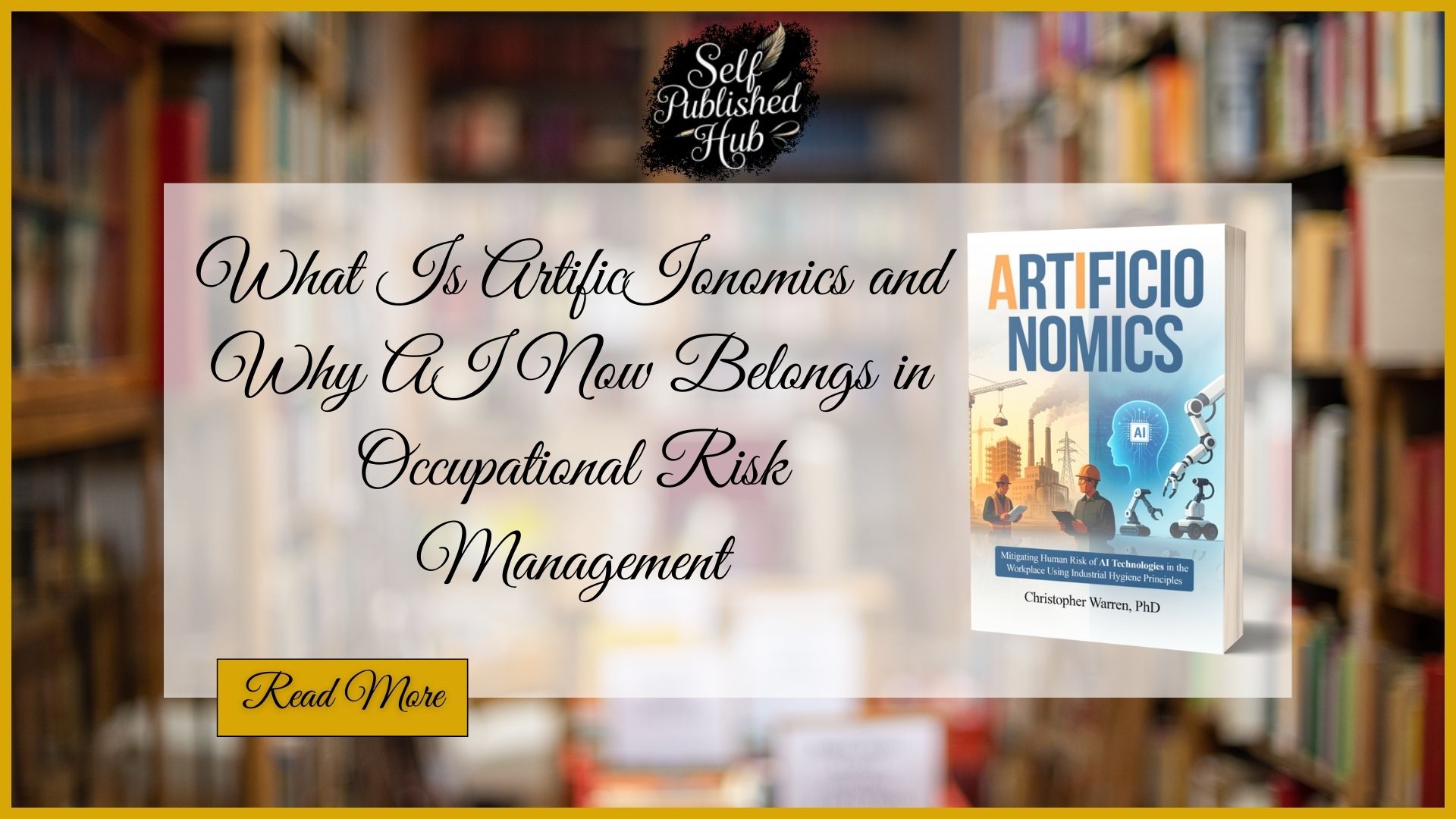
ArtificIonomics ensures that intelligent systems enhance human capability rather than undermine it. By bringing AI into the established language of exposure, measurement, and control, organizations can innovate responsibly while protecting the people who make that innovation possible. These questions and challenges are explored in depth in ArtificIonomics: Mitigating Human Risk of AI Technologies In The Workplace Using Industrial Hygiene Principles. The book introduces a practical framework for managing artificial intelligence as a workplace exposure, applying proven industrial hygiene and safety principles to algorithmic systems that influence physical risk, cognitive load, and worker well-being. Through real world examples, regulatory insight, and actionable tools, ArtificIonomics equips safety professionals, leaders, and organizations to integrate AI responsibly while protecting the people at the center of work.
For more details visit our website: https://artificionomics.com