Addiction rarely belongs to one person alone. While it may show up most clearly in a single individual, its effects often spread quietly through an entire family. Choices are shaped, roles are shifted, and futures are altered long before courts, doctors, or police ever become involved. When addiction is viewed only as an individual failure, the wider damage it causes is easy to miss.
Families living with addiction often adapt in ways that feel necessary at the time. One person may take on extra responsibility too early. Another may learn to stay silent to avoid conflict. Children may grow up knowing that instability is normal. These patterns can last for years and are often passed from one generation to the next. Addiction becomes part of the family environment, influencing decisions about money, trust, and survival.
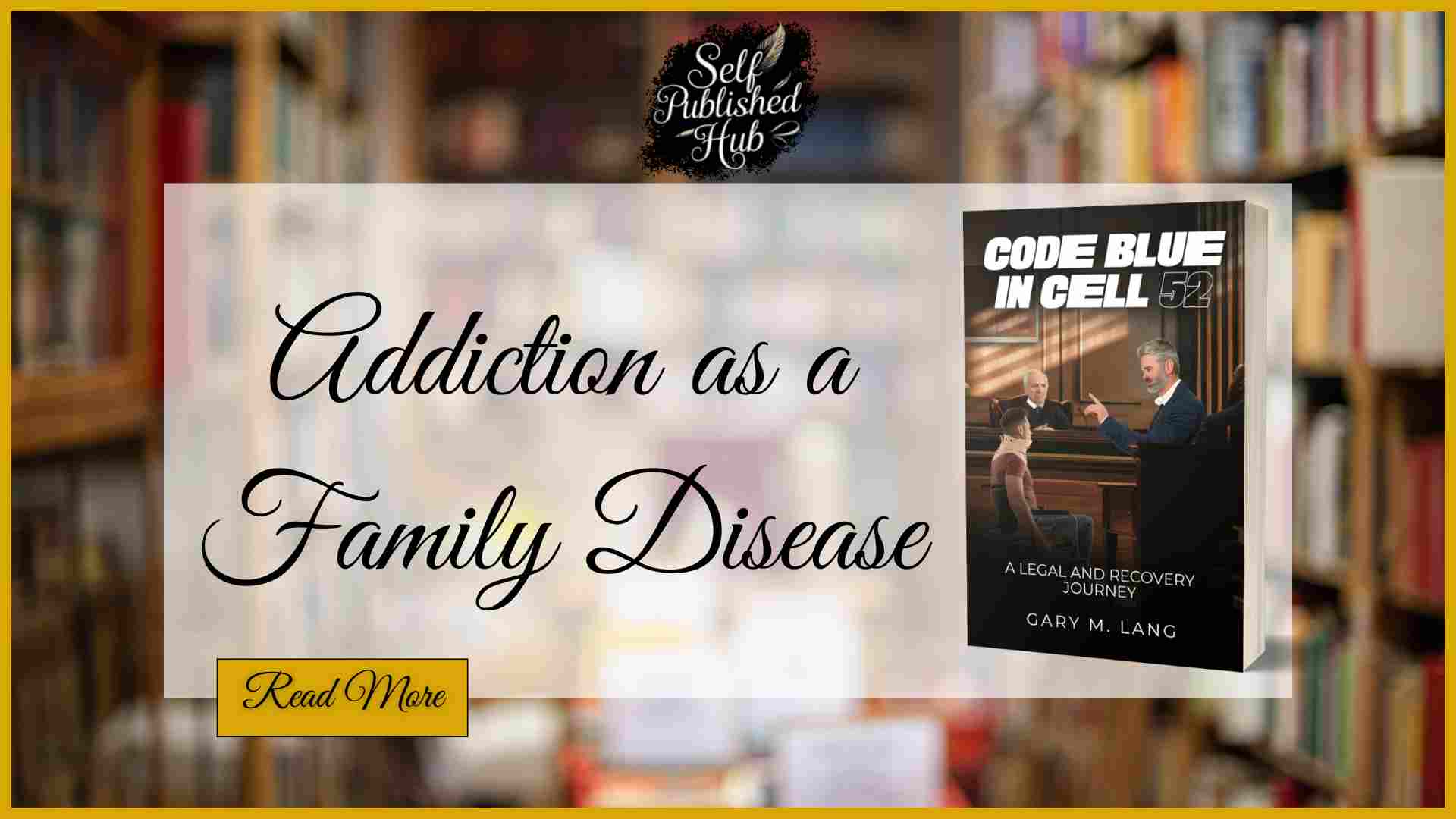
This reality is powerfully reflected in Code Blue in Cell 52: A Legal and Recovery Journey by Gary M. Lang. Through Franklin’s story and the background of a young inmate, the novel illustrates how addiction ripples outward, affecting parents, children, and siblings in lasting and profound ways. Long before the legal system steps in, these families are already struggling to manage chaos, fear, and limited options.
Franklin’s experience illustrates how recovery does not erase the past. Even after achieving sobriety, he carries the weight of earlier damage, including broken relationships and lost time. His commitment to helping others is shaped by what addiction took from his family and from himself. Recovery, in this sense, is not only about stopping substance use. It is about understanding how deeply addiction reshaped his life and the lives of those around him.
The young inmate’s background offers another clear example. His actions are not isolated mistakes made in a vacuum. They are shaped by a home environment where addiction is present and survival often comes before long term thinking. When substances are part of daily life, children may be exposed to risk earlier than they should be. Theft, poor judgment, and desperation can follow, not because of malice, but because healthy alternatives feel out of reach.
These stories reflect what many families experience outside of fiction. A parent struggling with addiction may unintentionally rely on a child for emotional support. A sibling may learn to clean up messes or lie to protect the family from outside judgment. Over time, these roles harden. By the time the legal system becomes involved, the family has often been living in crisis for years.
Viewing addiction as a family disease does not remove personal responsibility. Instead, it adds context. It helps explain why some people struggle to break cycles even when they want to change. It also highlights why recovery often requires support that extends beyond the individual. Counseling, stable housing, and community resources can help families rebuild healthier patterns together.
Code Blue in Cell 52 reminds readers that addiction does not begin at the jail door, and it does not end there either. It grows quietly in homes, shaping lives in ways that are easy to overlook and hard to undo.
For readers interested in a thoughtful and grounded exploration of addiction, justice, and the impact on family, Code Blue in Cell 52: A Legal and Recovery Journey by Gary M. Lang is a meaningful and relevant book to read. Discover this book now, available on Amazon: https://www.amazon.com/dp/B0FPZY7YZQ