Every migration story begins with a leap of faith. It is the moment when one generation dares to trade the familiar for the unknown, trusting that their sacrifice will open doors for those who come after them. Beneath every successful immigrant journey lies a foundation stronger than any passport or profession, the silent strength of family. This unspoken resilience, often built through years of distance, hardship, and adaptation, is what carries immigrants through the most uncertain chapters of their lives.
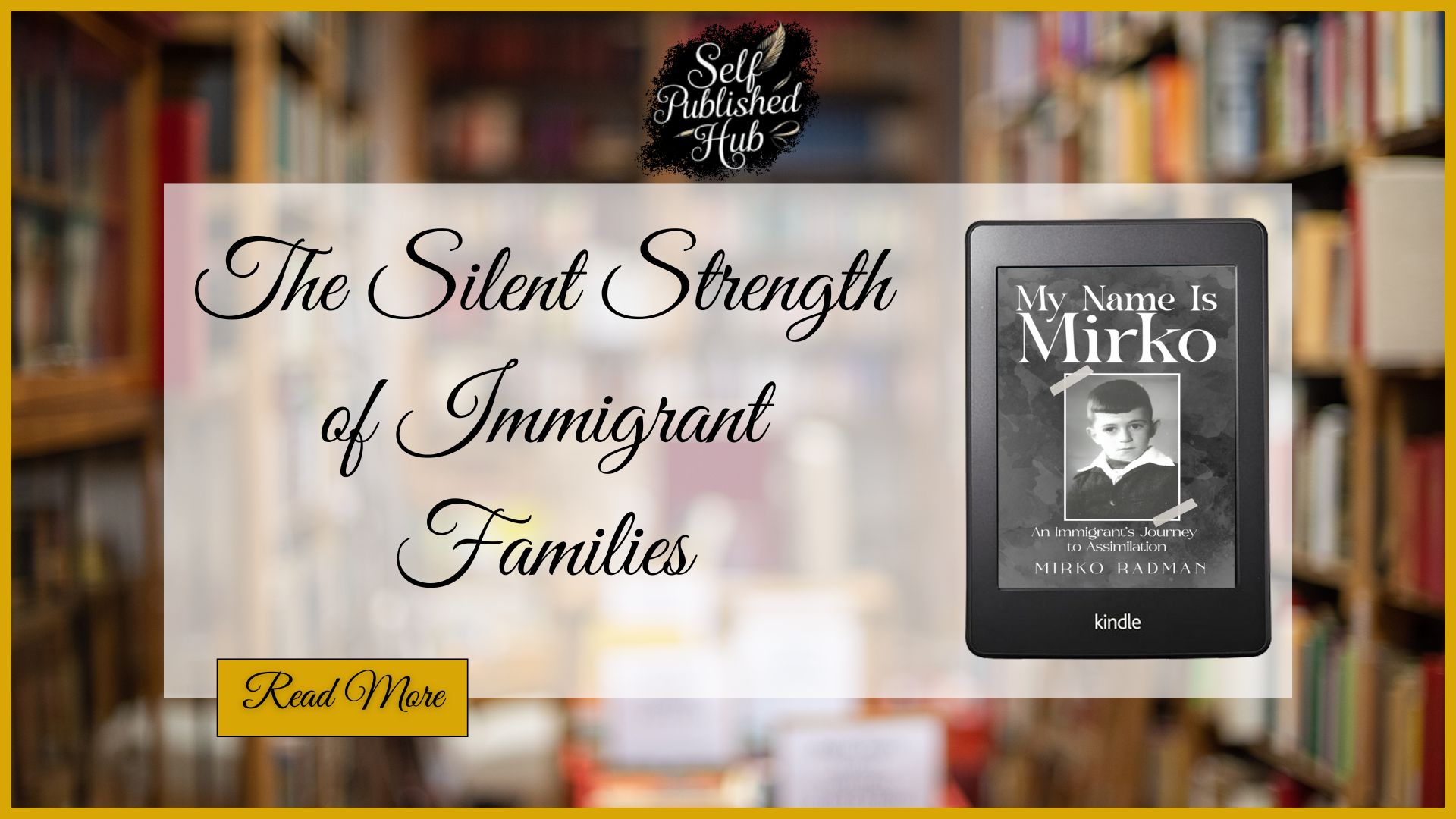
In My Name is Mirko by Mirko Radman, that strength flows quietly through every page. Mirko’s journey from a small coastal village in Croatia to a new life in America is more than a personal memoir. It is a family’s story of endurance and unity. Each challenge he faces, from post-war struggles to cultural adaptation, is met with the support of family ties that remind him who he is and why he left home. Through the warmth of shared meals, long letters from loved ones, and the lessons of his parents, Mirko learns that home is not just a place but the people who keep your spirit alive.
Across generations and continents, this kind of resilience repeats itself. Immigrant families often rely on each other as their only constant in a changing world. Parents work multiple jobs so their children can attend school. Grandparents share stories and traditions to keep a sense of identity alive. Children act as translators, navigating between languages and cultures. Each plays a part in preserving something essential, the belief that love and effort can bridge any distance.
For example, many families who arrived in the United States after World War II faced not only economic uncertainty but also the challenge of preserving their heritage while blending into a new culture. They built tight-knit communities where neighbors became extended family and mutual aid was a way of survival. Even today, in Croatian-American and Eastern European circles, that same pattern endures: families celebrate traditions, speak both languages at home, and teach the younger generation to remember where they came from while embracing where they are.
What makes this strength so powerful is its quiet nature. It does not always appear in grand gestures but in small, daily acts, saving for a child’s education, cooking meals that taste like home, or sharing a laugh after a long day of work. These gestures create emotional anchors that keep families steady through change.
Mirko Radman’s story reminds us that while the immigrant journey can be lonely, it is rarely taken alone. His memoir captures how family becomes both compass and lifeline, helping each member adapt without losing themselves. The silent strength of immigrant families is not only about survival; it is about shaping generations who remember gratitude, persistence, and love.
Readers who value stories of courage, cultural identity, and the unbreakable bond of family will find My Name is Mirko deeply moving. It stands as a tribute to every family that has ever crossed a border together, quietly, bravely, and full of hope for a better tomorrow.
AVALABILITY : https://www.amazon.com/dp/B0DRBJBHY2/