Survival wears many faces. For some, it’s crouching in a jungle half a world away, bullets tearing through the air. For others, it’s walking home from school in a city where every corner holds a threat, and every wrong move could be your last. At first glance, life on the battlefield and life on the streets may seem worlds apart, but in the Colt family saga, those worlds are uncomfortably close.
Both environments demand the same instincts: awareness, resilience, and the ability to make split-second decisions that mean the difference between life and death. Soldiers in Vietnam had to navigate a landscape riddled with hidden enemies, booby traps, and the weight of orders they didn’t always believe in. Young men in New York’s boroughs, like those in the Colt family, faced a different but equally unforgiving war zone—one made of gangs, crooked politicians, and neighbors who could be friend or foe depending on the day.
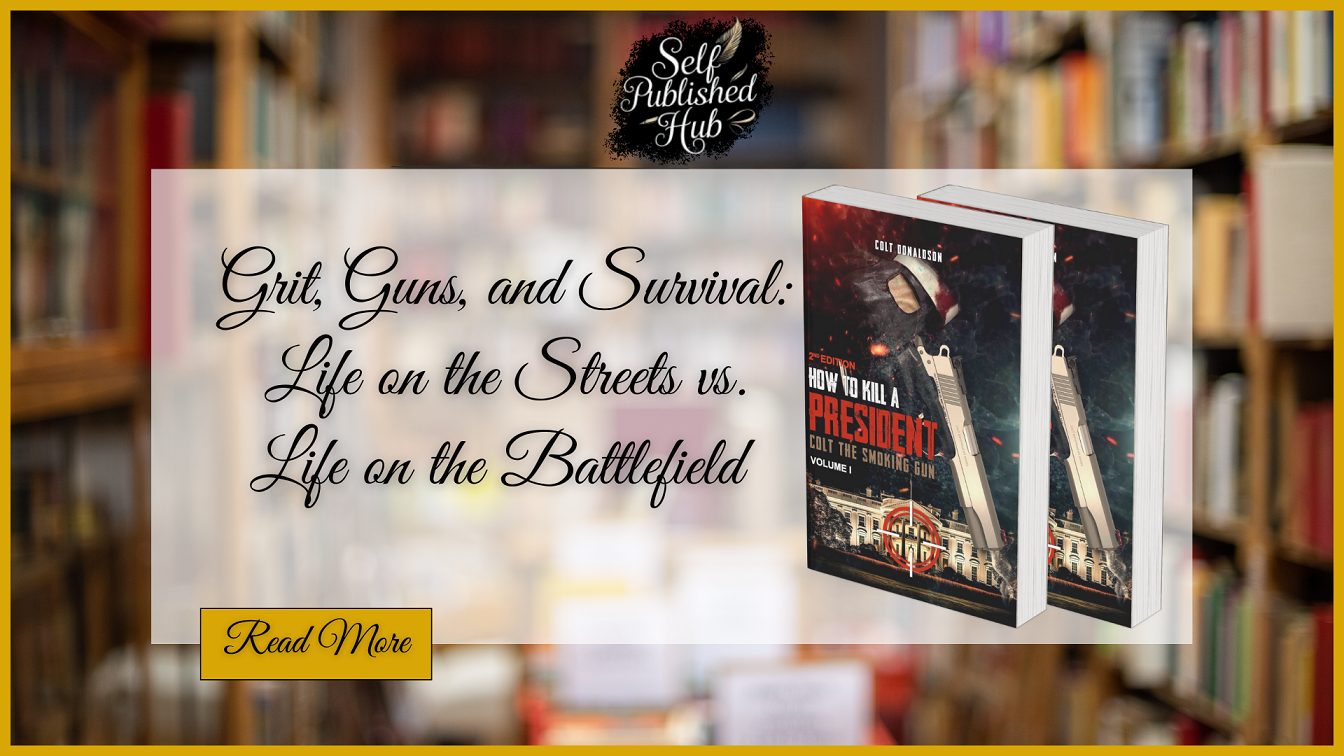
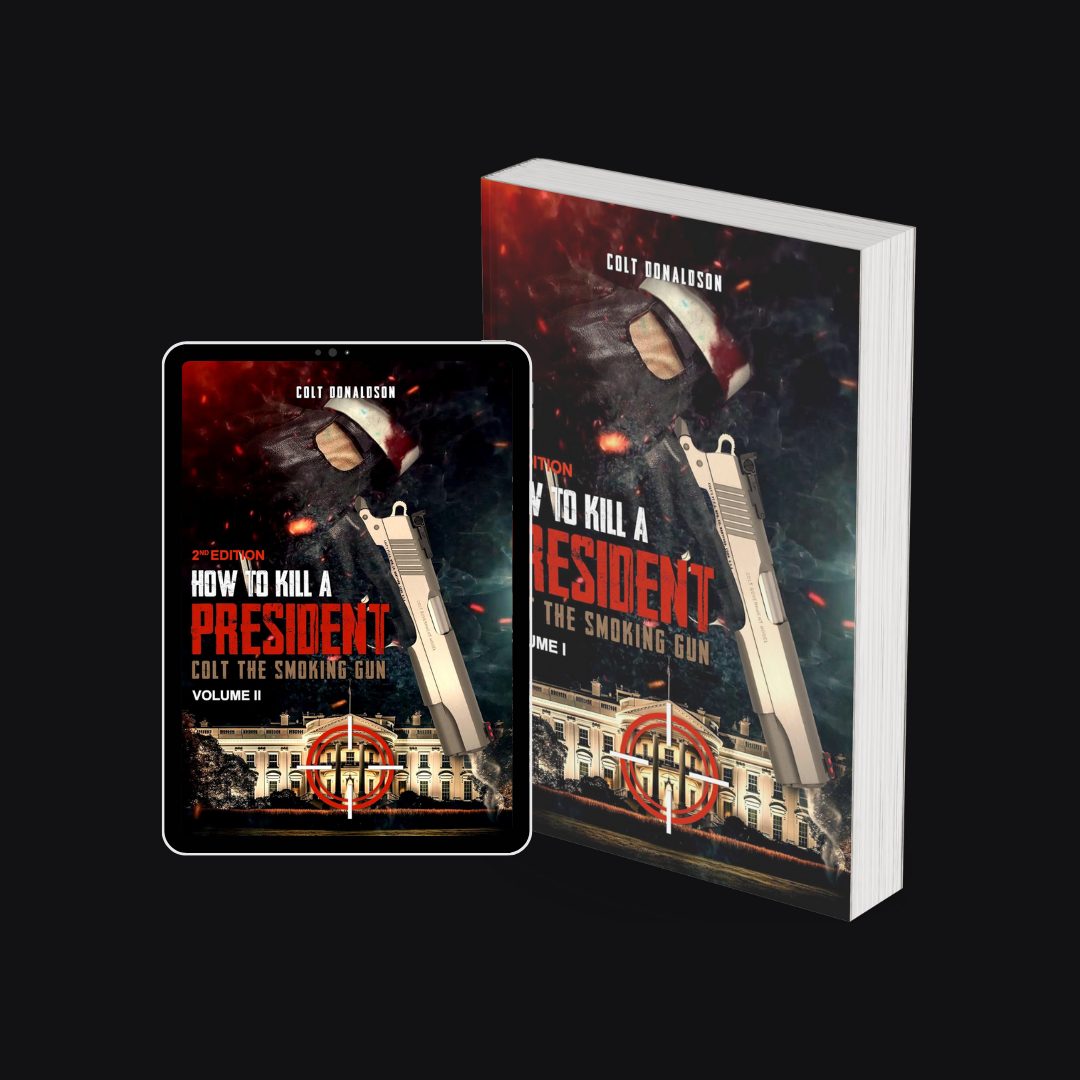
In How to Kill a President: Colt the Smoking Gun by Colt Donaldson, this parallel becomes startlingly clear. War is not confined to foreign jungles or deserts; it also lives in broken homes, rigged card games, and back-alley negotiations. A teenager learning “street smarts” in Staten Island is, in his own way, no different from a soldier practicing “situational awareness” in the rice paddies of Vietnam. Both learn quickly that hesitation is dangerous and trust is a luxury.
Yet beneath the grit and danger, there are deeply human stories. A boy overhearing his mother’s struggles while bouncing between relatives. A soldier praying under fire, not for victory, but for one more day to live. Both battlefield and street demand not just strength, but adaptability—a willingness to bend without breaking.
Perhaps what ties the two together most is the bond forged in hardship. In combat, men depend on each other absolutely. Race, religion, and politics dissolve when survival is on the line. On the streets, that same reliance builds within families and chosen allies. Loyalty becomes a currency more valuable than money. Betrayal, whether in a foxhole or a backroom, carries consequences that can end a life.
It’s in these bonds that the Colt family finds both salvation and suffering. Their legacy is marked by soldiers who returned scarred from war and sons who carried their own battles into the neighborhoods of New York. Trauma passes down like inheritance, but so does resilience.
Reading their story is a reminder that while most of us may never face a battlefield or a gang fight, we all face struggles that test our grit. We all fight wars, some with weapons, some with words, and some with nothing but determination.
The Colt saga asks us to see the humanity in both. To recognize that courage isn’t only medals on a soldier’s chest—it’s also a child deciding to keep going, despite everything stacked against them. And in both the battlefield and the street, survival isn’t just about living another day. It’s about finding meaning in the fight.
Volume 1: https://www.amazon.com/dp/B0DX3Y1QCQ
Volume 2: https://www.amazon.com/dp/B0DX3NHG2P