In a time of rising polarization and religious intolerance, education remains one of the most powerful tools for dismantling prejudice. In Jesus vs Muhammad: Understanding the Tenets of Christianity and Islam, Roman James makes a compelling case that ignorance—not belief—is often the true root of religious hatred.
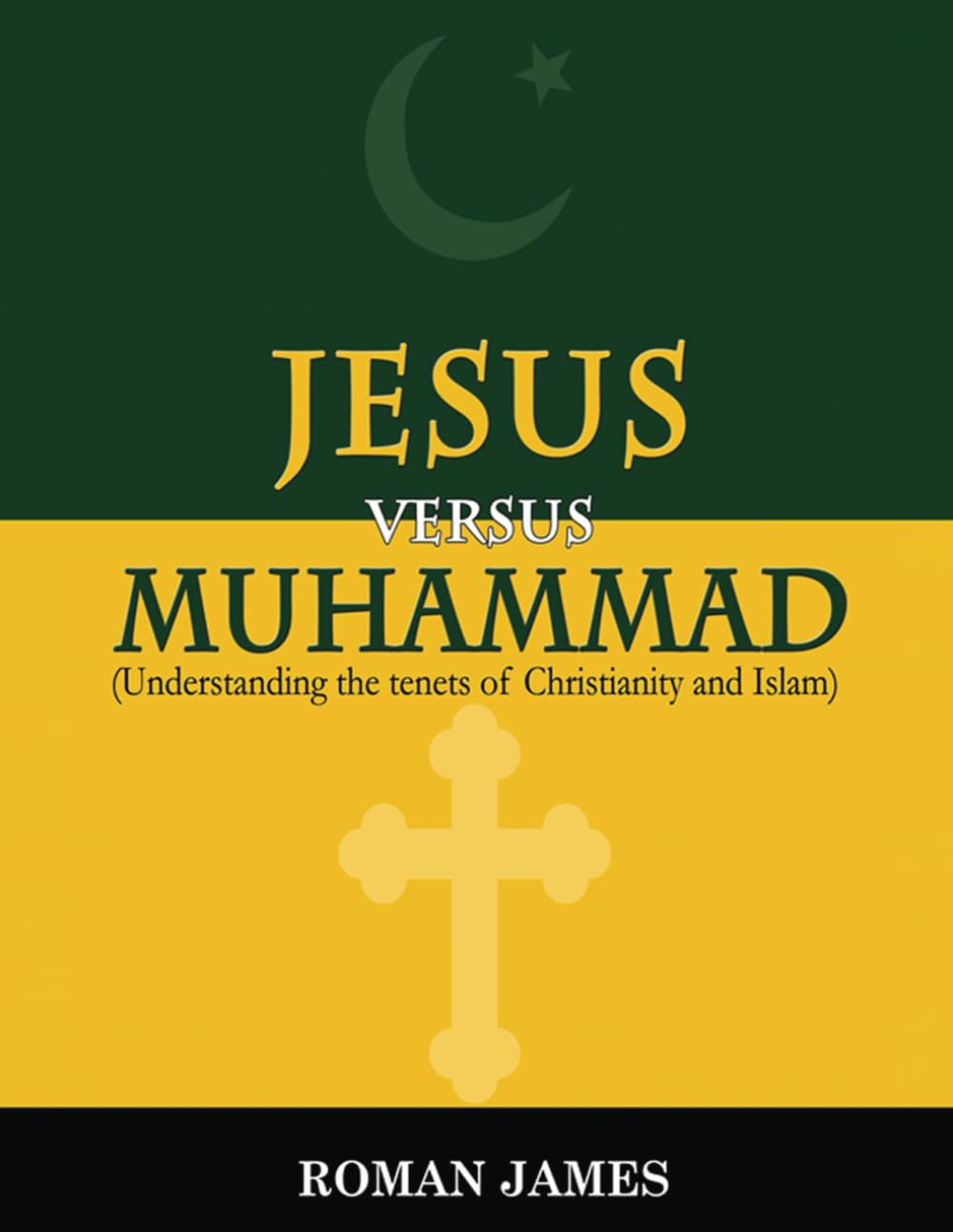
James’s goal is not conversion, but comprehension. The book lays out the tenets of Christianity and Islam side by side, allowing readers to see both similarities and differences without caricature or distortion. For James, the first step in ending religious prejudice is honest engagement with what each faith truly teaches—not what others say it teaches.
This is where education becomes transformative. Most Christians, he argues, have never read the Quran. Similarly, most Muslims are taught to avoid reading the Bible, often under the impression that it is corrupted. James gently but firmly challenges these assumptions, quoting Quranic verses that affirm the value of earlier scriptures, and pointing to Bible passages that emphasize love and reconciliation.
But the book doesn’t stop at quoting texts. James draws on the insights of progressive Muslim scholars like Sultan Shahin, who advocate for internal reform within Islam, and religious leaders like Pope Francis, who promote dialogue and humility. These voices show that interfaith understanding is not a fringe idea, but a growing movement with support from within both traditions.
By including commentary from Muslim and Christian thinkers alike, Jesus vs Muhammad models what a well-rounded religious education should look like—diverse, respectful, and deeply engaged. The book’s structured format, with comparisons on everything from salvation to eschatology, allows readers to develop critical thinking skills rather than memorize dogma.
James is also honest about the challenges. He admits that his book includes sharp critiques, particularly of how some Islamic leaders interpret scripture. But his larger aim is constructive: to encourage reform and mutual learning, not division. His argument is that criticism—when done with respect and care—can be part of education, not an obstacle to it.
One of the most striking aspects of the book is its accessibility. The use of plain language, concise tables, and carefully chosen quotations makes it a valuable resource for high school and college students, as well as adult learners seeking to deepen their understanding of global religions. It doesn’t require theological training, only a willingness to learn.
Education, James argues, is not just about facts—it’s about empathy. When people understand the spiritual hopes, fears, and values of others, it becomes much harder to hate them. Prejudice thrives in silence and ignorance; dialogue and education are the antidotes.
In a world where religious identity is often used to divide, Jesus vs Muhammad offers a roadmap to unity through knowledge. It equips readers not only with information, but with the intellectual humility to admit what they don’t know—and the courage to find out.
If we are serious about dismantling prejudice, then reading books like this one is not optional—it’s essential. By making interfaith learning accessible and sincere, Roman James contributes meaningfully to a future where understanding replaces suspicion, and where curiosity triumphs over fear.