Real estate can be a powerful wealth-building tool, but a promising property can become an expensive lesson when investors rush, overestimate returns or overlook risk.
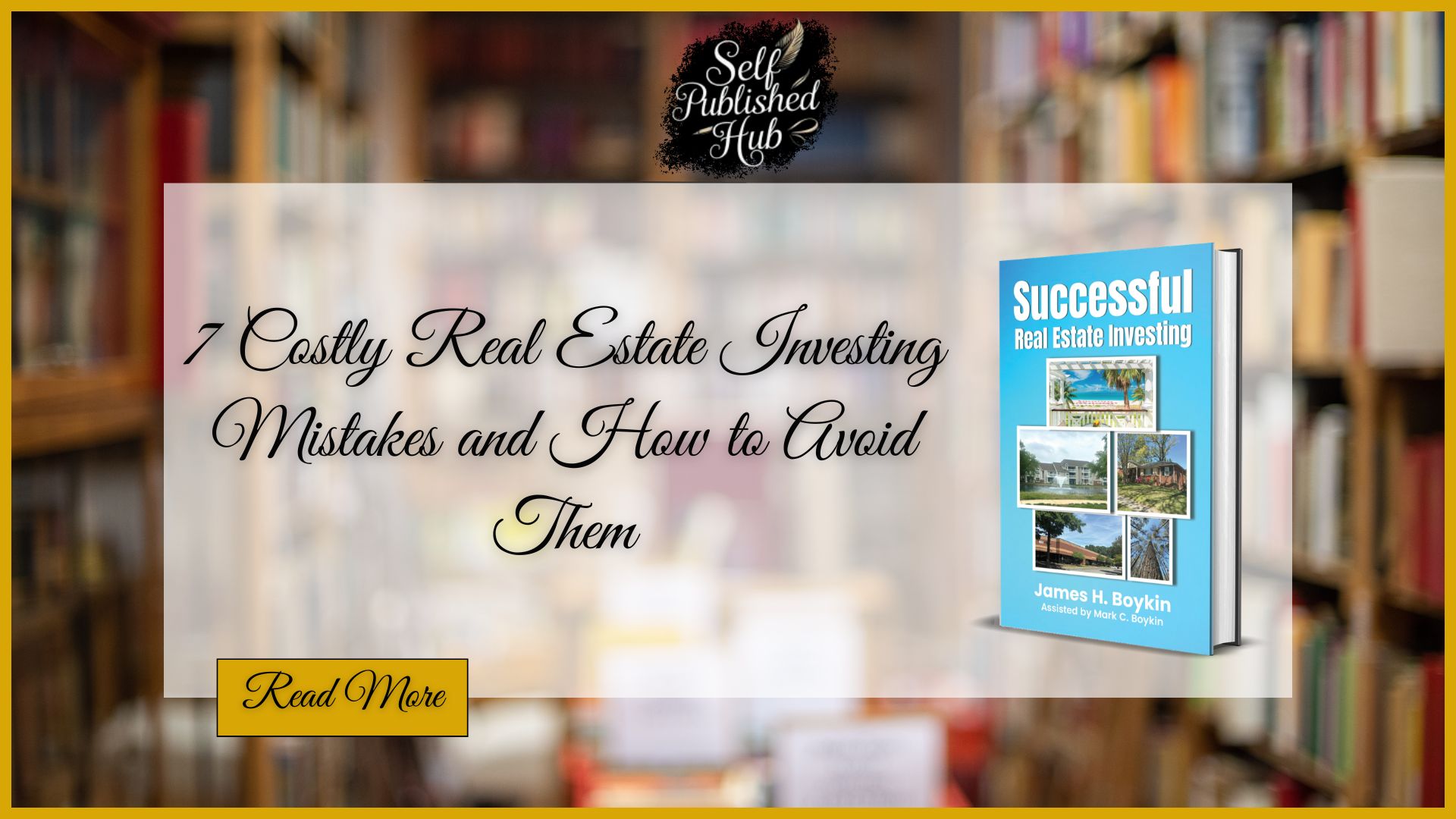
In Successful Real Estate Investing, author James H. Boykin takes a practical approach to property ownership. Rather than focusing on hype or quick wins, he emphasizes careful analysis, realistic expectations and disciplined decision-making. Here are seven costly mistakes investors should watch for and how to avoid them.
1. Overpaying for the Property
One of the hardest mistakes to recover from is paying too much at the beginning. Boykin stresses that a profitable future sale often depends heavily on buying at a favorable price. A strong purchase can provide a financial cushion if values later soften.
How to avoid it: Study comparable sales, understand the local market and base your offer on facts rather than excitement.
2. Falling in Love With the Deal
An attractive property can make investors ignore warning signs. Boykin cautions against allowing ego or emotion to outweigh objective analysis.
Investors may convince themselves that rents will rise, vacancies will remain low or expensive repairs will somehow cost less than expected.
How to avoid it: Treat every property as a business decision. If the numbers do not work, walk away.
3. Underestimating Repairs and Renovations
A “bargain” can quickly become a money pit. Boykin gives the example of a property purchased cheaply but requiring so much restoration that the completed project is worth less than the total amount invested.
How to avoid it: Obtain realistic estimates from qualified contractors before committing to the purchase.
4. Skipping Professional Inspections
Saving money on inspections can lead to far greater expenses later. Structural defects, roofing problems, HVAC failures, plumbing issues, electrical hazards, mold and other deficiencies may not be obvious during a casual walkthrough.
Boykin argues that professional inspection is not the place to be “penny wise.”
How to avoid it: Use qualified specialists and make satisfactory inspections part of the purchase process.
5. Believing Optimistic Income Projections
Sellers naturally want their properties to look attractive. But projected rents and “pro forma” income are not the same as actual performance.
Boykin recommends reviewing operating statements, realistic vacancy assumptions, expenses and reserves rather than relying solely on what a seller says the property should earn.
How to avoid it: Analyze actual income and expenses and build conservative assumptions into your forecast.
6. Using Too Much Leverage
Borrowed money can amplify returns, but it can also amplify losses. Higher debt service becomes especially dangerous when vacancies increase, operating costs rise or interest rates move against the investor.
Boykin summarizes the tradeoff memorably: higher leverage may help investors “eat better,” while lower leverage may help them “sleep better.”
How to avoid it: Stress-test your investment for weaker income and higher expenses before taking on debt.
7. Ignoring Location and Future Marketability
A beautifully renovated property can still struggle if it sits in a declining or undesirable area. Boykin identifies location, timing and skilled management as central factors in successful real estate ownership.
How to avoid it: Evaluate not only the building, but also the neighborhood, demand trends, access and future resale potential.
Successful investing is often less about finding the “perfect” property and more about avoiding expensive mistakes.
Successful Real Estate Investing by James H. Boykin gives readers a grounded roadmap for evaluating opportunities, managing risk, financing wisely, negotiating effectively and making better property decisions.
Before your next investment, learn how to protect your capital first because lasting real estate wealth begins with disciplined decisions.